What’s the difference between having Trump’s illegal Ballroom shoved down our throats, or an illegal senior medical care project for the rich, when we need more affordable housing for families?
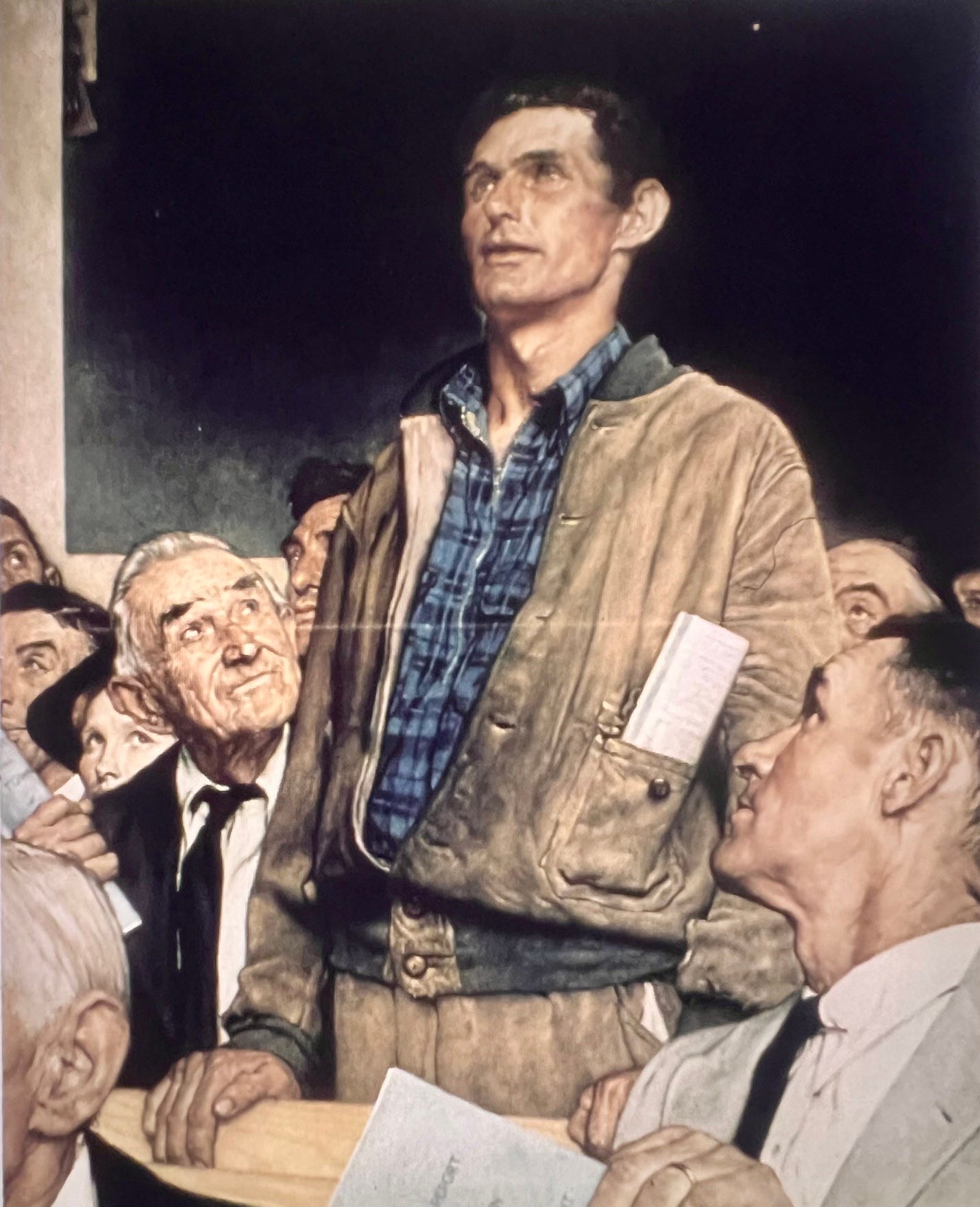
(Norman Rockwell’s “Freedom of Speech”, from the National Archives, painted in 1943, and published in the Saturday Evening Post. Rockwell’s “Freedom of Speech,” was inspired by FDR’s January 6, 1941, State of the Union Address, where he outlined the “Four Freedoms” which went on to be included in the United Nations Charter. Those freedoms, as spelled out by President Roosevelt were: “Freedom of Speech, Expression;’“ Freedom of Worship;” “Freedom from Want;” and “Freedom from Fear.”)
US Supreme Court Chief Justice John Roberts was correct last week, when he wrote in a blistering dissent to the Supreme Court’s tone deaf 5-4 decision to greenlight the developer Trump’s illegal ballroom, that the construction was “likely unlawful.”
The same is true about the senior medical care project in Healdsburg, in the shadow of the SMART Train Station, when local laws specifically prohibit the use of that site for medical care, and favor the building of affordable housing for working families.
The people of our town—educated, engaged and enthusiastic for greater inclusion—with 1/3 of our population being of Latino Heritage—are ready to fight for what’s right. That courage frightens our timid town officials, terrified of incurring the wrath of rich, powerful real estate interests. Freedom from Fear, anyone?
All along, and under local ordinances and State laws encouraging affordable housing and more inclusionary housing—for seniors and everyone of Healdsburg’s non-wealthy citizens—that Hudson street site—located smack in the immediate zone of the SMART Train Station Local Plan—was supposed to be shaped by a high level of community input, not by high rollers rushing to game the system, and sneak “medical care” into an area where it IS strictly prohibited by Healdsburg’s land use code.
The proposed construction of a Residential Care Facility for the Elderly (RCFE) which includes both “personal care,” and “medical care,” in an exclusive community requiring a nearly million-dollar equity buy in, is not just, as Justice Roberts wrote of The Bully’s Ballroom “likely unlawful,” itis clearly unlawful, under our local zoning laws. Those of us with experience in public health know how “luxury” RCFEs or Continuing Care Communities for the wealthy have become golden cash cows for developers who reap vast profits from multiple millions in high buy-in costs from rich customers.
Worse, Healdsburg’s local Planning Commission gave conditional approval of the Hudson Street proposal on the basis of false information. At last month’s meeting the developer’s representatives —when asked if the proposed RCFE facility would include “medical” as well as “personal” care— misinformed the Commission, saying it would not, despite the fact that medical care is authorized—and in some instances statelaw requires—RCFE’s to provide medical or clinical care.
And, at virtually the same time the developer was misinforming Healdsburg’s planning officials that there would be no medical care at The Hudson, the company ran a recruitment ad seeking a “Regional Clinical Nursing Leader,” whose responsibilities include overseeing “clinical operations.” Under Nursing guidelines “clinical means involving or relating to direct medical treatment or testing of patients.”
So, surprise:in the same breath that the wealthy developer’s team was telling one crucial falsehood to the Planning Commission, it was confirming that, in fact, medical care IS central to his RCFE operations, by actively head-hunting to hire an expert in medical & clinical care to oversee all of their operations, including in Healdsburg.
A number of Healdsburg citizens, led by long-time residents Jon Eisenberg and Lewis Bangham, filed an appeal to the City Council of the The Hudson’s flawed plan, and demanded that the Planning Commission rescind its’ conditional approval of the proposal on the clear grounds that material facts were misrepresented to them by the developer. In a court of law, such a material misrepresentation is perjury; but, in the court of public opinion, it was simply the way the wealthy were accustomed to editing the facts to fit their own self-interests. But that misrepresentation should be enough to enable the Planning Commission to overturn their own conditional approval, since it was a decision based upon false information. The timely and concise Healdsburg citizens’ appeal insists that the City stick to the letter, the intent and the spirit of local and state zoning and affordable housing laws in the best interests of the people of the City.
That misrepresentation of the truth was only the first head fake by the developer to see if Healdsburg’s public officials could be tricked into killing community involvement. The other powerful threat to our prized local democratic process, was for them to simply bulldoze—the way Trump bulldozed the East Wing of the White House— over the existence of the SMART Train Station Area Plan—the specific, City-created planning framework for the area to ensure citizen involvement in this crucial plan for our future involving mass transit.
Similar “overlay” plans were created in Saggio Hills, the Mill District, and in North Healdsburg (Enso Village), to create and accommodate a diversity of needs for affordable housing, and an RCFE that would qualify for providing medical care.
That inclusive planning process worked, producing an abundance of affordable units, and a legitimate, state-of-the art RCFE rendering medical & clinical care (Enso Village), providing proof that community-based democracy can do what it’s supposed to do, when the onlyprice attached to it is public participation, and the time taken to do the right thing.
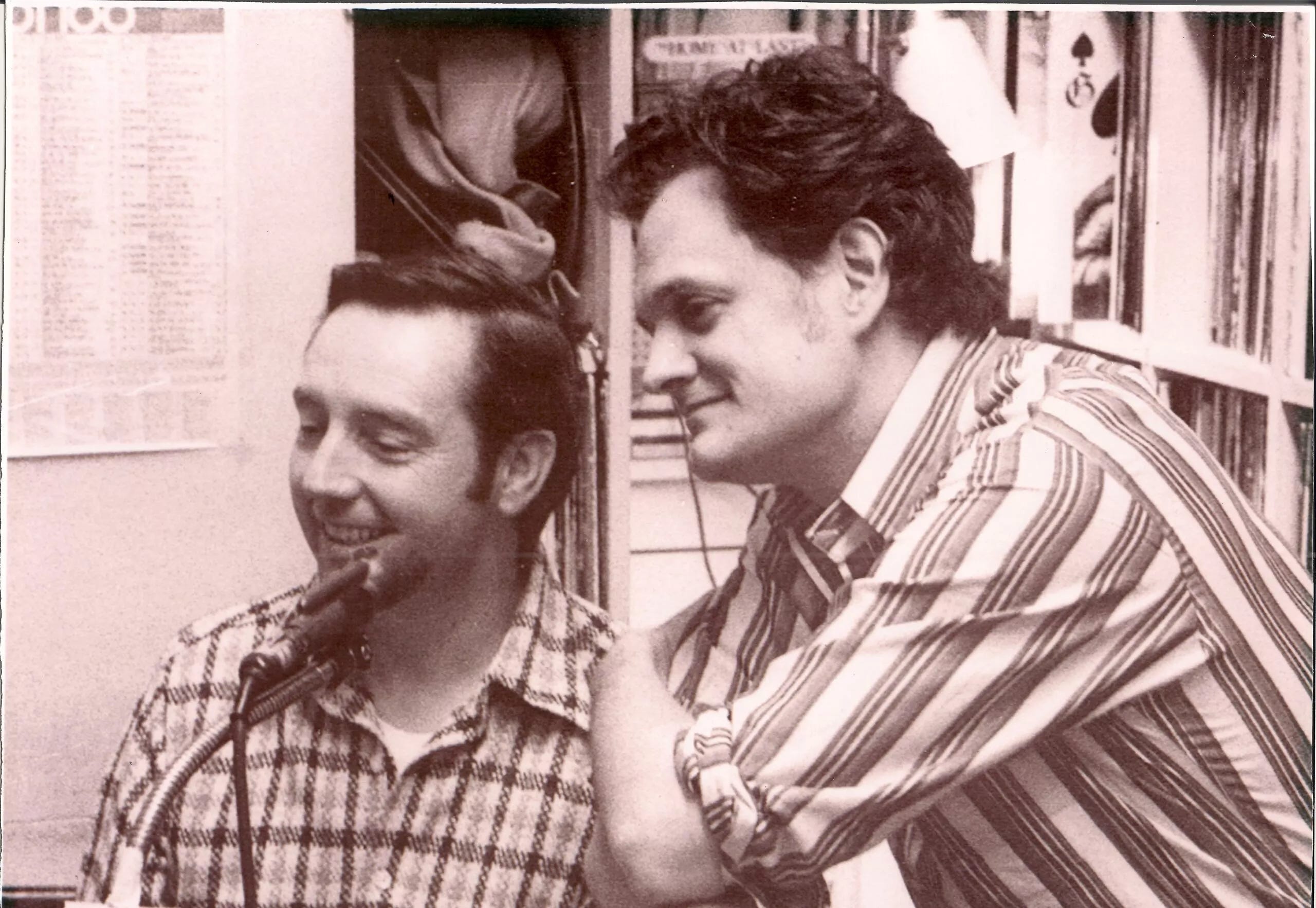
Our friend died this week. He marched with Dr. Martin Luther King, Jr., in 1963; befriended singer Harry Chapin and they founded an anti-hunger organization still saving lives, 51 years later.
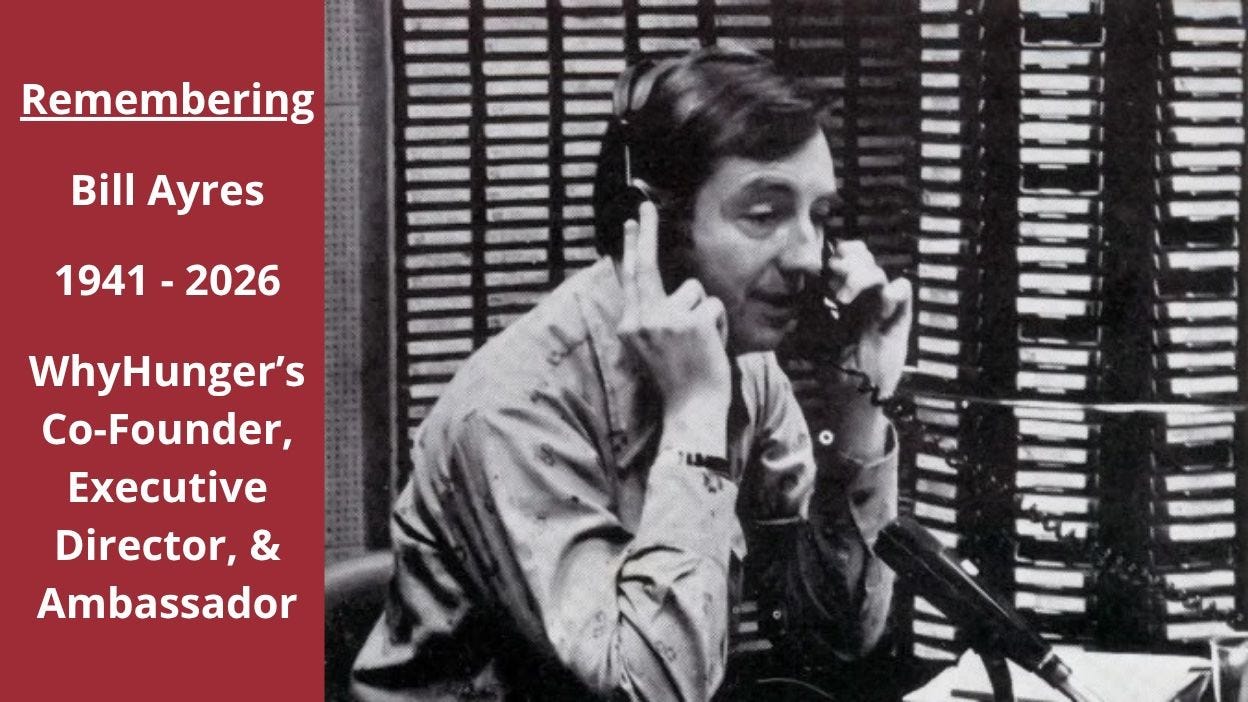
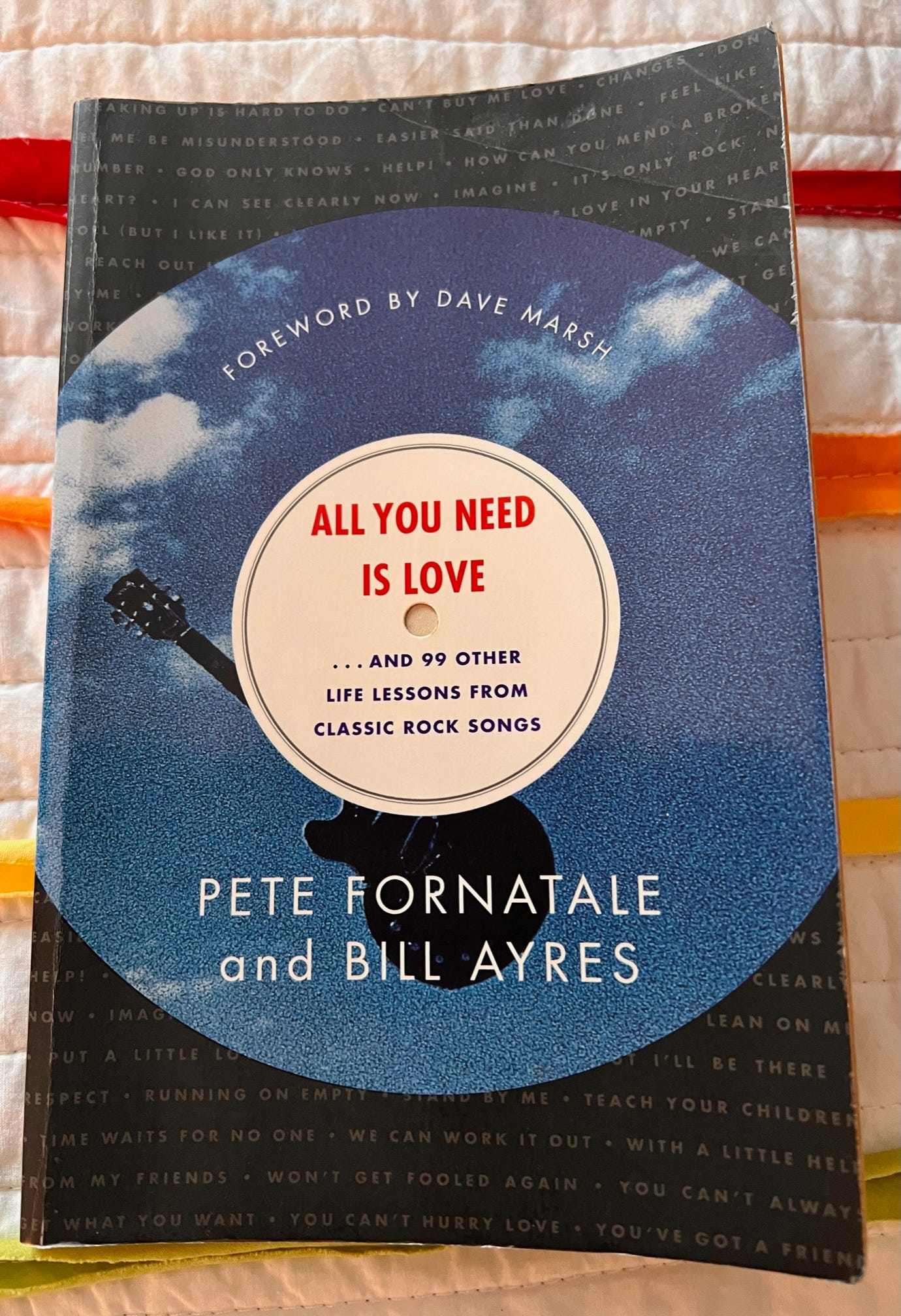
(Bill Ayres died this week, just one week after the death of Rolling Stone Magazine’s long-time music writer, Dave Marsh, who wrote the forward to the book Bill co-wrote with Pete Fornatale, entitled “All You Need Is Love.” It was the central message of Bill’s life, and he acted on it, in every way he could, every single day. I first wrote this opening piece 30 months ago, on Martin Luther King’s birthday to celebrate, during his lifetime, the lessons of love and humanity Bill Ayres taught us. I repost it today, to honor Bill’s life and the impact it had upon me and millions of others who lives he touched, and changed. My piece is followed by the posting of an article from “WHY Hunger” Magazine, honoring the life and legacy of Bill Ayres, which continues to this day. Please contribute to WHY Hunger to carry on the fight against poverty and hunger, to which Bill dedicated himself. You can find a link to donate at the very bottom of the article.)
One of Dr. King’s Disciples of Love, Hope, Humanity & Social Action.
How a small town Catholic priest from Long Island, gained a nationwide congregation of the hungry, the exhausted, and the powerless, and brought out the best in everyone to make life better.
By Steve Villano
To be in the presence of Bill Ayres, former Catholic priest and co-founder of WHYHunger with Harry Chapin, is to be bathed in the warm glow of hope and love.
Whenever we celebrate human service, and try to replicate in some small way, the life and actions of Dr. Martin Luther King, Bill Ayres’ life gives us mortals some practical instructions of just how to do it.
As with Dr. King, the driving forces of Bill Ayres’ activism are his faith, and his love of the dignity of all human beings. It’s what’s guided Bill’s life for some six decades—in addition to a unique sense of how music can change individual lives, and through it, the world.
Our Bill Ayres of Huntington Station, NY, whom I know and love–the real Bill Ayres, as I call him, so he cannot be confused with the Chicago-area, headline-grabbing, violence-winking, Weather Underground’s Bill Ayers (different spelling) —is the real, long-term radical social activist. His indefatigable efforts fighting hunger and poverty continue to make a difference in thousands of lives each day. Beyond his remarkable work fighting hunger, poverty and food insecurity with singer/songwriter Harry Chapin, and the Chapin family over the past 5+ decades, Bill Ayres’ own lifeand work is the stuff of inspiration.
It’s fitting that Huntington’s Bill Ayres—our Bill Ayres– shares a birthday with long-time Civil Rights leader, Julian Bond, on the day before Dr. Martin Luther King’s birthday. Not only did both men march and work with Dr. King, but they devoted most of their lives to practicing the kind of targeted, effective, never-ending non-violence which Martin Luther King preached.
Both Bill Ayres and Julian Bond became aware of the continuing struggle for civil and human rights in this country at roughly the same time. Bond co-founded the Student Non-Violent Coordinating Committee (SNCC) while a student at all-Black Morehouse College in 1960, where he first met Dr. King. He risked his life registering new voters during Freedom Summer in Mississippi, in 1964. Ayres, entered the seminary to study the priesthood, in 1963—not to escape the troubled world, but to embrace andrepair it, influenced by the teachings of Catholic progressives like Dorothy Day & Thomas Merton.
Just after the 50th Anniversary of the assassination of Dr. Martin Luther King, I interviewed our Bill Ayres, in the New York City headquarters of WHY Hunger, and in the tranquil beauty of his beloved Heckscher Park in the Village of Huntington, L.I., not far from his home. We peacefully strolled around the Park’s lake, when I asked him about the influence of Dr. King on his life’s work:
“In 1963, I was in the March on Washington, I was a kid, in the seminary. Then I marched with him lots of times, heard him preach in the church, read all his stuff, and, I knew that racism was an evil; poverty was an evil and that they were all very much connected…”
Ayres attended the Immaculate Conception seminary in Huntington for six years in the early 1960’s where he began reading Dr. King’s “stuff”, as he described it.
“The inspiration for me in all of this is, of course, the social teachings of the church and the Gospel of Matthew, and lots of other places. King is kind of the one who put that into action. Paulo Freire, a Brazilian educator driven out of after a military coup in 1964, wound up in Boston College and taught with a friend of mine up there and at UN. I met him a few times and heard him speak. He had this whole thing that the root cause of hunger is poverty and the root cause of poverty is powerlessness—I repeated this mantra to Harry Chapin a couple of times when I first met him. That’s always been our theme.”
We stopped walking as Bill’s kind, gentle-blue eyes, underscored that point:
“It’s the powerlessness that comes from on top, from oppression; racial oppression, sexual and, economic injustice. That’s where we came from and that’s where we’ve always been.
Serving Catholic parishes in conservative Long Island towns like Babylon and Seaford, Father Bill Ayres, did not look the part of the “radical priest,” despite, his deep, Catholic Worker beliefs. I asked him if he ever met the Berrigans, the “radical priests” of the 1960’s, arrested on many occasions for protesting the War in Vietnam, and destroying draft board records.
“Interesting. I met them, but didn’t know them. After I was ordained there was a priest friend of mine, who was a friend of the Berrigans. And Berrigan invited him and me to meet Thomas Merton. I never got there. Berrigan couldn’t go and we cancelled the whole thing. It’s one of those missed opportunities. I was on marches with the Berrigans; I was part of the anti-war movement. I would have loved to have met Merton. His book, The Seven Storey Mountain, influenced me to become a priest. He was a convert; He was a big influence on lots of people including me. A remarkable man.”
Thomas Merton’s writings and teachings influenced not only Bill Ayres, but generations of progressive Catholic activists to move well beyond the fundamentalist strictures of the hierarchy of the Catholic Church establishment.
It was the Church’s unyielding restrictions against priests marrying that drove Bill Ayres from the organized priesthood. After 13 years of serving two Catholic parishes, Bill met and fell in love with his wife, Jeannine, to whom he was married for almost 50 years. But while, Ayres may have formally left the priesthood, his life of service to others never left him. His congregation grew to a national size when he met Harry Chapin by interviewing him on Ayres’ radio program “On The Rock,” in 1973.
Serendipitously, Chapin’s great-aunt through marriage was Dorothy Day, one of the heroic figures in Bill Ayres life:
“If You look on my desk, I have a picture of Dorothy Day. I used to go down to her gatherings on Friday night on Christopher Street. (In NYC) I was very influenced by Dorothy Day; she was one of my role models, radical Catholic, sort of who I am. Harry and I talked about her, “Well, you know, I’m related to her,” he said, “and he was proud of it”.
It was Bill Ayres who alerted me to the remarkable book by Day’s granddaughter Kate Hennessy, “Dorothy Day: The World Will Be Saved by Beauty,”which, in intimate and exquisite detail, illuminates the life that the revolutionary Catholic worker lived, and how much she accomplished for others.
And it was Bill, ever the teacher and mentor, who took from his personal bookshelf, a the dog-eared, underlined, hard-copy of a book—a guide for social action, really—which meant a lot to him—and gifted it to me. It was his copy of Paulo Freire’s“Pedagogy of the Oppressed, “ a blueprint for honoring—and acting for– the humanity in all of us.
Bill Ayres’ all-encompassing humanity can leave you in quiet awe, and I was sure he must have had the same effect upon Harry Chapin, whom he met while still a practicing priest. I asked him if Harry believed in God:
“There’s an interesting thing here,” Ayres said. “ I’m a Catholic priest here and he’s this rock and roll guy. An interesting partnership. He loved it. He just thought it was a wild thing. He called me “Wild Bill” because I did all this crazy stuff. But he said to me, ‘you know, I’m not a believer; I come from a bunch of agnostics; I grew up in the Episcopal Church, I sang in the Episcopal Church. But I’m not really religious. ‘
“However, he evolved. And, part of the evolution was that he saw the goodness in the people who were running these food pantries and soup kitchens. And he had this great line, “I believe in the believers.”
“ Just a few months before Harry died, we were having this conversation about religion. He said , “I believe in God.” Big breakthrough. “But I don’t believe in a god of fear or vengeance. I believe in a god who loves people. I believe in a God that gives lots of hugs.” Harry liked to hug people. He and I talked about Jesus over the years. The whole thing is love and justice; it’s what’s it all about.”
Bill Ayres’ book, from which I frequently seek inspiration, hope and guidance, is his simple, soul-refreshing teaching tool which he wrote with his radio soul-mate, Pete Fornatale, entitled “All You Need Is Love..and 99 Other Life Lessons from Classic Rock Songs.”The book is dedicated to Harry Chapin, especially for Chapin’s use of his music, song and story-telling gifts to help “millions more to have food in their stomachs, dignity in their lives and hope in their spirits.”
It’s what Bill Ayres devoted a lifetime of service to doing, and practiced every single day.
Honoring Bill’s Legacy
Bill Ayres believed that ending hunger required more than providing food. It required healing, justice, and the power for communities to shape their own futures.For five decades, that conviction guided Bill’s work as WhyHunger’s co-founder, Executive Director, and Ambassador. He helped build an organization committed not only to meeting immediate needs, but to confronting the root causes of hunger and investing in lasting, community-led change.Bill taught us to listen before acting, to lead with hope, and to keep going even when the road ahead loomed long and difficult. A gift in Bill’s memory will carry that work forward by helping WhyHunger connect people with nutritious food, invest in grassroots solutions, and advance the human right to food for all.You can honor Bill’s extraordinary life by helping continue the work to which he devoted it.
Please donate to WHY Hunger to recognize the lifelong work of Bill Ayres, Harry Chapin, Sandy Chapin and the entire Chapin family in fighting hunger and poverty.
THE LIFELONG LEGACY OF BILL AYRES (reprinted from this week’s publication of WHY Hunger, the official publication of the international anti-hunger, anti-poverty organization co-founded by Harry Chapin & Bill Ayres, in 1975.)
William J. Ayres lived a truly remarkable life, leaving behind a profound legacy of love, compassion, community and enduring hope. Born on January 14, 1941, Bill credited his grandmother with teaching him to keep an open heart and to “try and see the good in everyone.” That early foundation set him on a lifelong path of seeking justice and serving others.
In 1963, Bill joined a quarter of a million people at Dr. King’s March on Washington, D.C., an event that forever shaped his understanding of race, justice, poverty and power. Over his lifetime, he participated in many more protests and marches for social justice. He attended St. John’s University for two years before studying philosophy and theology at the Seminary of the Immaculate Conception in Huntington, N.Y. He remained a devoted St. John’s Red Storm basketball fan, attending games into his eighties.
(Photo By Moya McAllister)
Deeply moved by his faith, Bill answered the call to become a Roman Catholic priest in 1966 and served in two parishes over 13 years, embracing a life of service. In 1968, the Diocese of Rockville Centre on Long Island asked Bill to host a local Sunday radio show, launching a long and storied career on the airwaves. As host of “On This Rock,” Father Bill Ayres played rock music, interviewed guests, told stories, and seamlessly wove in lessons about faith, justice and compassion. Bill soon brought that same unique blend of storytelling and purpose to television when Charles Dolan gave him a platform on his pioneering Cablevision network.
When he fell in love with his future wife Jeannine, Bill left the active priesthood to build a life with her. His ministry of compassion and service didn’t end; it simply took a different form. Together, Bill and Jeannine raised two beloved daughters, Michelle and Suzanne Ayres, and their cherished granddaughter, Jaida Blatt.
For 40 years, he hosted “The Bill Ayres Show” on WPLJ-FM, a late-night call-in radio show where he played music and offered advice to young people. Bill became the longest-running continuous host on the station before broadcasting his final live show in May 2019.
Radio brought together Bill’s love of music, storytelling, faith and rock ‘n’ roll. He was the first person to interview Bruce Springsteen on network radio. That encounter sparked a lifelong friendship and partnership with Springsteen, Jon Landau, and Barbara Carr that was rooted in a deep commitment to harnessing the power of music to end hunger.
Then, a serendipitous series of radio interviews, first with musician Tom Chapin and later with his brother Harry, changed the course of Bill’s life yet again.
(Photo by Diane Maple)
After Bill and Harry connected on-air about their shared outrage over the growing crises of hunger and poverty, they decided to meet for dinner. Around the kitchen table, Bill, Harry and his wife, Sandy Chapin, sketched out a plan to make a lasting difference. In 1975, they founded the anti-hunger and social justice organization now known as WhyHunger.
A gentle visionary with steadfast conviction, Bill fiercely believed that hunger is solvable. He knew that making nutritious food a human right for all required digging deep to address hunger’s root causes. He also knew that local communities held the wisdom and power to solve it, if we could only learn to listen and follow their lead.
Guided by these principles, Bill and Harry created the first Hungerthon in 1975, a 24-hour radio show that raised funds and brought national attention to hunger, alongside radio DJ Pete Fornatale and general manager Mel Karmazin at WNEW-FM.
Now in its 41st year, the Hungerthon campaign has raised tens of millions of dollars through radiothons, concerts and community action. Its national broadcasts have become synonymous with the Thanksgiving season, airing across the nation on SiriusXM, iHeartRadio New York, and CBS Radio New York/Audacy New York.
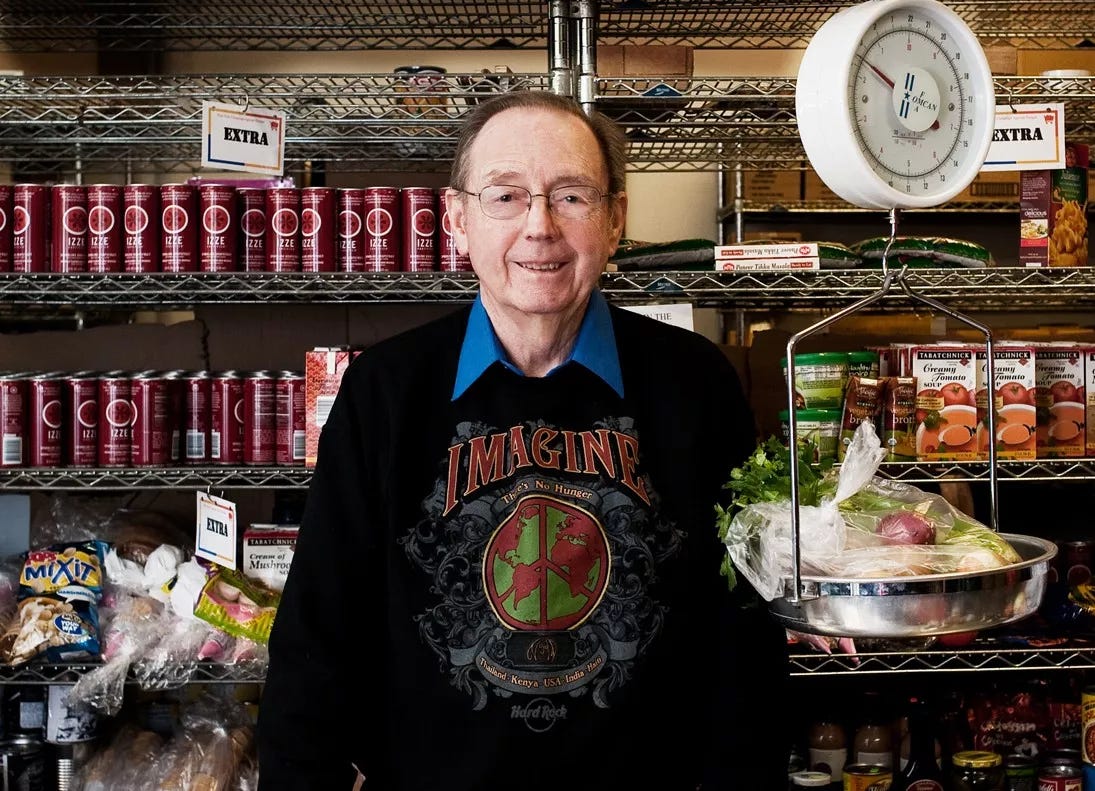
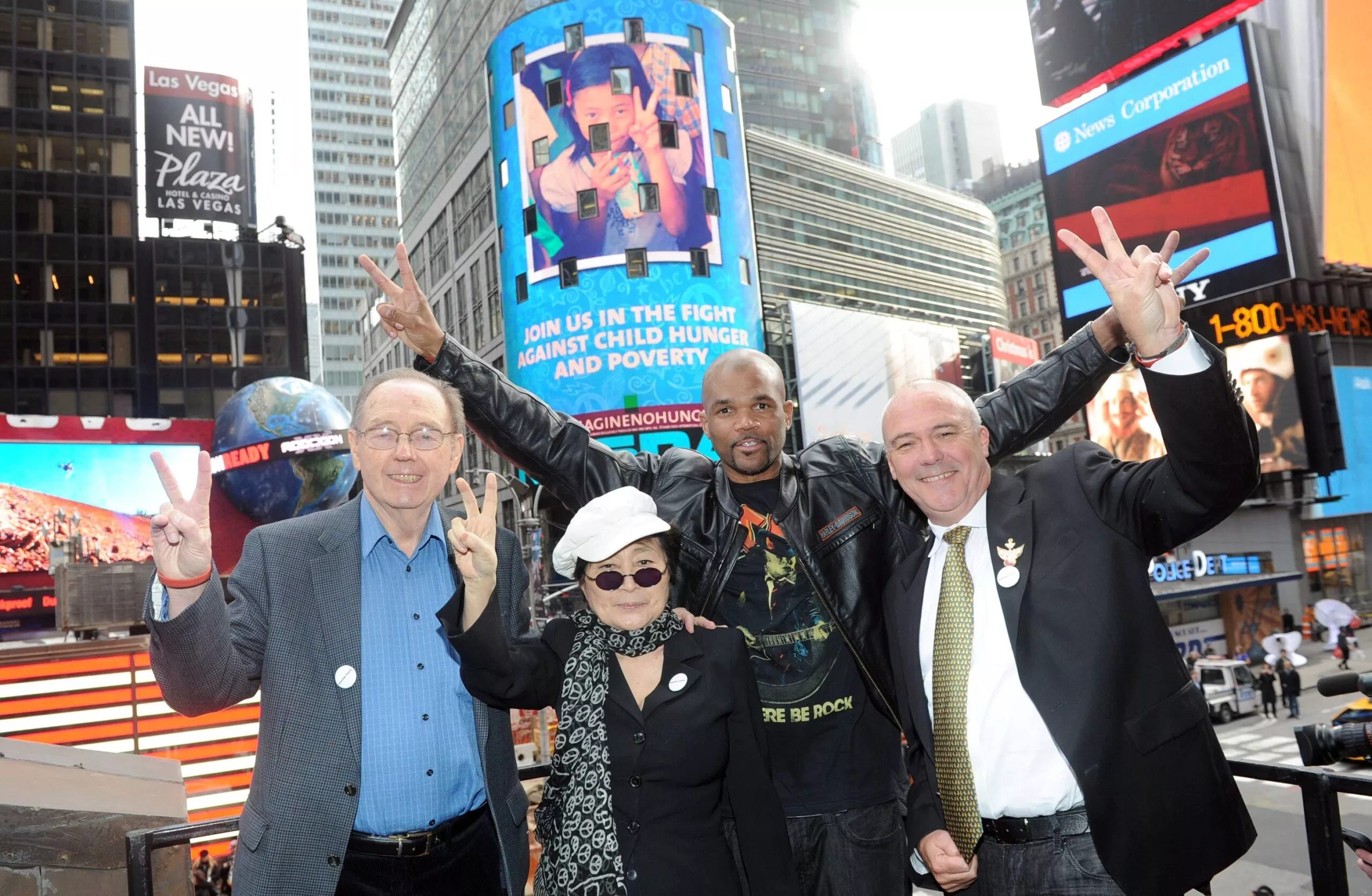
Bill’s belief in the power of music to drive change extended far beyond Hungerthon. He forged an innovative partnership with Hard Rock International and helped galvanize the “Imagine There’s No Hunger” campaign with Yoko Ono Lennon to expand access to healthy food for children around the world.
(Photo by Diane Bondareff)
Together, Bill and Harry held numerous benefit concerts and opened a national policy office in Washington, D.C. Their advocacy drew steadfast bipartisan support from former Board Member Senator Patrick Leahy, D-VT, and Congressman Ben Gilman, R-NY, and helped lead to the creation of the first Presidential Hunger Commission, the first National Hunger Hotline, school meals, and millions of dollars in federal food and nutrition aid. Working side by side, Bill and Harry also helped start Long Island Cares and the Center for Food Action New Jersey.
When his dear friend Harry died tragically in 1981, Bill saw a promise that still had to be kept. He devoted the rest of his life to securing WhyHunger’s future and expanding its impact, serving as its Executive Director until his retirement in 2015. That year, as WhyHunger celebrated its 40th anniversary, Bill received the organization’s Lifetime Achievement Award.
At WhyHunger’s 50th anniversary gala in 2025, Bill helped present the inaugural Bill Ayres Social Justice Award to CNN’s Laura Coates. This annual award honors individuals like Bill who are driven by moral conviction to unite communities, amplify marginalized voices and fight systemic injustice.
In 1998, Bill co-authored All You Need is Love: And 99 Other Life Lessons From Classic Rock Songs with his dear friend and radio colleague, Pete Fornatale. And in 2021, he wrote The Journey into the Mystery: Finding God in Your Everyday Life, which was formatted by his daughter, Suzanne Ayres.
Bill leaves us with an indelible legacy and a powerful example of what it means to live with purpose. His warmth, care and generosity left a mark on everyone he met. He taught us to listen before acting, to lead with hope, and to keep going even when the road ahead looms long and difficult. Those of us who knew Bill, worked alongside him, or called him a friend were lucky to be part of his story and to witness what an open heart, a bold vision, and a relentless commitment to justice can make possible.
Our hearts are with his wife, Jeannine, Bill’s family and friends, the Chapin family, and the extraordinary community of people he brought together around this mission.
The question for Healdsburg residents, enthusiastic about making the wealthy community more economically accessible, is, as it’s always been, “Which Side Are You On?’”
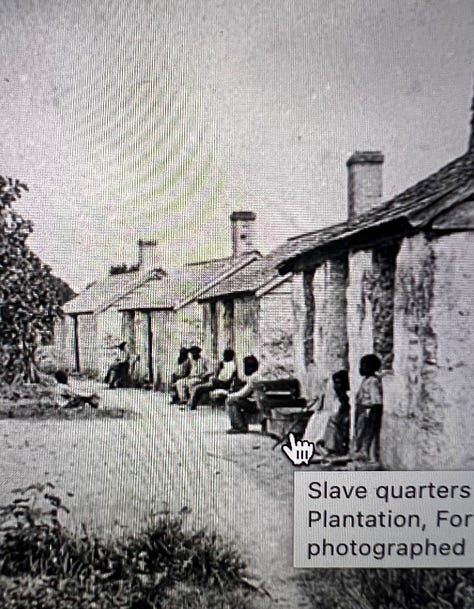
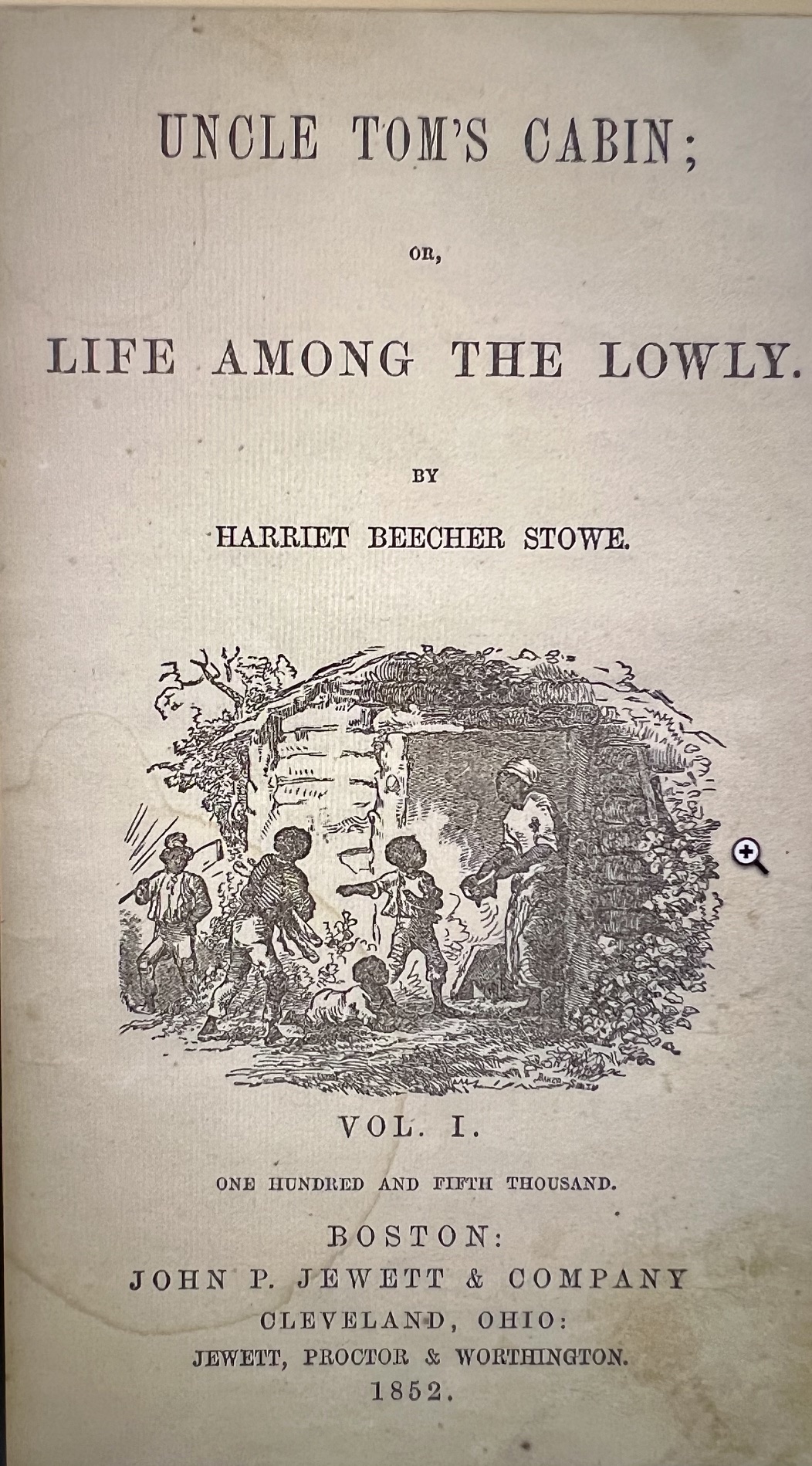
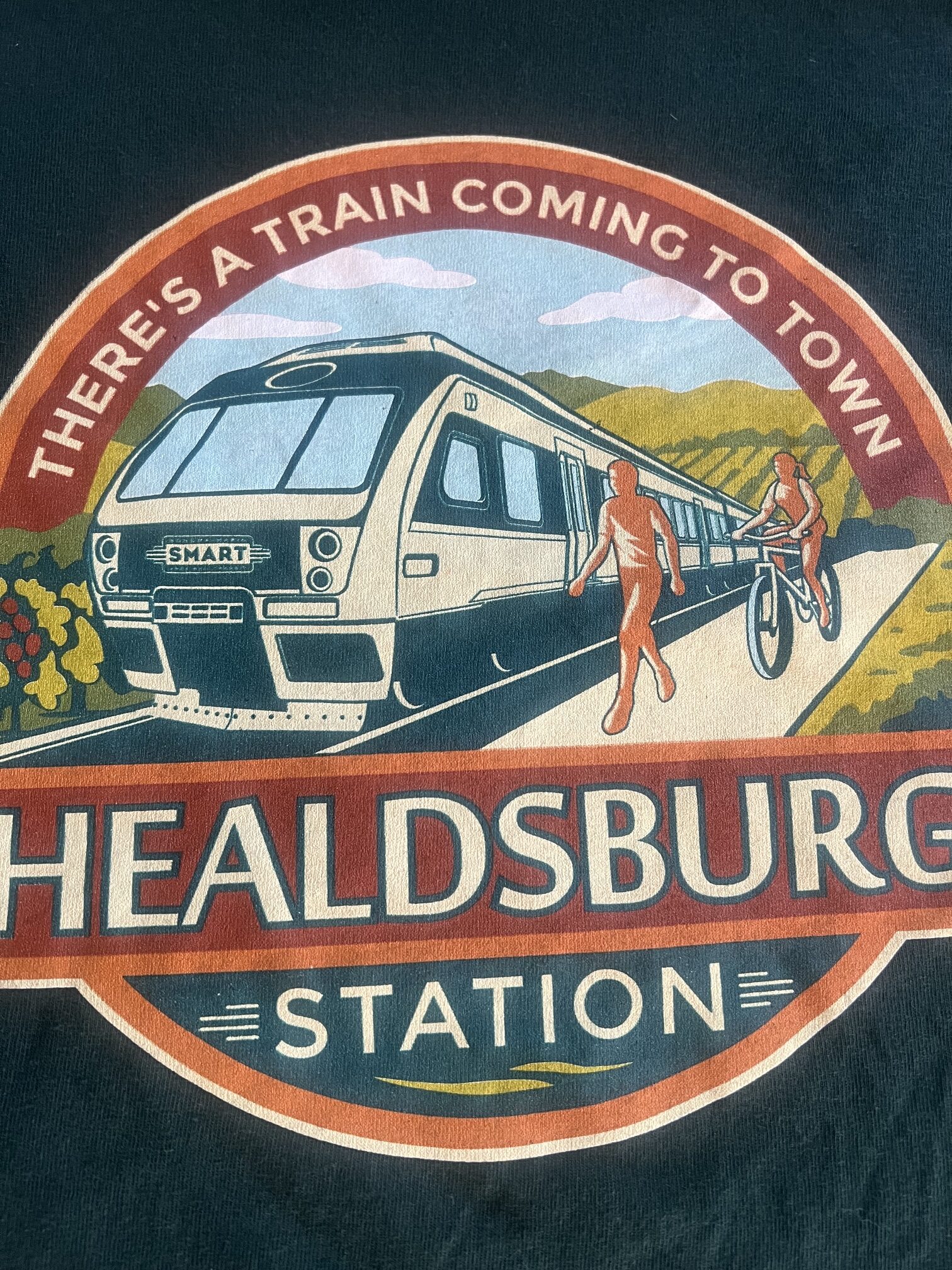
(Public domain photographs of 1865 Slave Quarters, and of the original cover of “Uncle Tom’s Cabin, or Life Among the Lowly,” by Harriet Beecher Stowe (1850), the book that highlighted the tiny little hovels, and horrendous conditions under which slaves were forced to live. In, the last panel is the logo of the Healdsburg SMART Train Station, an enthusiastically supported change expected to create more economic opportunity for all—regardless of income— in the wealthy North Bay community, in transportation, affordable housing and the job market.)
I sat in the crowded hearing room in Healdsburg City Hall on Monday night, August 11, to hear and see the City’s Planning Commission present a proposal for a new Housing development, across the street from the soon-to-be built SMART Train Station.
Many of us—long-time residents and relative newcomers alike—were enthusiastic supporters of the SMART Train extension into Healdsburg, as a means of broadening economic opportunity, affordable housing, and more accessible jobs in our wealthy community, often derisively referred to as “Beverly Healdsburg.” We were eager to share the abundance our town had to offer.
Three months earlier, on May 8, 2026, some 1,000 of us packed into our town’s brand new Foley Family Pavilion—funded by the foundation of a leading local wine family— to celebrate the Healdsburg Station Groundbreaking. Every local, state and federal elected official representing our region attended, shook hands, spoke, and cut a huge-ribbon. We all whooped and hollered when our State Senator, former Healdsburg Mayor, professional auctioneer and soon to be new Member of Congress Mike McGuire led us all in cheering that “A New Train Was Coming To Town.” Excitement and pride in our City was palpable.
I sat, surrounded by friends & neighbors on that beautiful day in May, and thought of August Wilson’s Pulitzer Prize nominated play, “Two Trains Running,” which focused on the competing choices we each face in life. The unforgettable quote of one of the main characters kept playing in my mind, like background music:
“There are always and only two trains running. There is life and there is death. Each of us rides them both.”
That day we were all choosing life, and putting people’s basic needs ahead of profits.
Like Mike McGuire, we could see the future, and we loved it, and felt the economic opportunity that ALL of our neighbors could enjoy, regardless of income. Farmworkers, hospitality workers, restaurant staff, small business owners and their employees, would be able to get to their jobs by taking the train to Healdsburg, or south to Santa Rosa, Petaluma, San Rafael, or anyplace else. Tourists would arrive by the trainload to visit Healdsburg’s restaurants, hotels and wineries and sample our exploding music and art scene, and our hospitality.
Anticipating this—and reflecting our town’s overwhelming support for the”New Train Coming to Town,”—Healdsburg’s 5-member, elected City Council created the Healdsburg Station Area Specific Plan, guaranteeing community involvement, of which the City’s website clearly states:
“This plan will integrate housing, infrastructure and multimodal transit improvements, ensuring sustainable and transit-oriented growth around the SMART Station…and, a programmatic environmental impact report will be prepared as well.”
A highly educated and engaged electorate has demanded that the City of Healdsburg follow this formula for citizen participation. It has successfully, and sometimes painfully, followed it many times before by creating special planning districts for new housing, hotel and retail developments in other parts of town:
The Mill District, which contains both the most expensive apartments in town and some of the most affordable in The Randall, an exquisitely designed and economically accessible housing complex, which houses very low, and low income families in the very heart of Healdsburg;
The Saggio Hills District, where, after years of negotiations, three phases of affordable housing (covering a range of low-income and some moderate income levels) are being built as part of a compromise with Le Montage resort, with the first three-story section on upper Parkland Farms Road scheduled to open in two months;
The NorthVillage district, where an upscale, comprehensive and legitimate Continuing Care Facility (Enzo Village) faces not only a Charlie Palmer resort, Appellation Healdsburg (rated one the finest resorts in the country by Travel & Leisure), but also the aesthetically beautiful and very affordable Burbank Housing development—Bowman Place—which sits above planned retail space, looking right into the terraces of Enzo Villages million-dollar apartments.
Each of those special planning districts, took years of hard work and compromise to integrate a diversity of housing options for all working families as well as wealthy ones, in various neighborhoods of Healdsburg. The clear intent, and contract with the community, was that the same multi-party planning process would be followed again in the SMART Station Area Specific Plan, especially since local, state and SMART train transportation and housing priorities are to make mass transit more accessible for working families.
All of that excitement, community involvement, and careful city planning was jettisoned on August 11, when the City’s Planning Commission unanimously decided to bull ahead with a 3.6 acre housing proposal in the shadow of the SMART Train Station, without EVER convening one session of the City’s promised “Healdsburg Station Area Specific Plan.” The democratic process that makes small city life in Healdsburg special, and desirable, had been shattered. “The Hudson” housing development was being shoved down our throats, whether we liked it or not.
This utter disconnect was shocking to every Healdsburg resident in the room: our elected-City Council committed, in writing, to move in one direction in the immediate SMART Train Station Area, and the Planning Commission, elected by no one, moved in the entirely opposite direction. The only way we could stop this train from running off the track, was to file a detailed citizen appeal (which is presently being done), at the cost of $1800 to Healdsburg taxpayers who simply want a place at the town’s ample table, and a fair process to be followed, with our outrage compounded by the fact that we have to pay extra—$1800 extra— just to get heard by our elected officials.
Pulverizing the democratic process was only the first surprise the Planning Commission had for Healdsburg’s taxpayers. Still to come was their act of sheer civic cowardice (‘We have no choice,” ) in the face of a well-financed, and clever bastardization of both our local and state Senior Housing Laws, and the microscopic shrinking of the size of the Affordable housing the proposal provided.
In quickly became evident that “The Hudson’s” senior housing (masquerading as a continuing care community) was really only a ruse to sell the luxury, large sized units (from 1600 to 2,000 sq. ft,) to wealthy seniors who could afford the astronomical buy-in rate of at least $700,000 per unit, the “market rate,” established 2 years earlier by Enzo Village, a legitimate Continuing Care/Long Term Care/Memory Care facility in North Healdsburg. (Ironically, Enzo Village—which went through a long and arduous planning process with the City, has more, and larger sized “affordable” units, for people in need of the kind of health care provided, who are not wealthy. Enzo Village has 221 Independent Living units; 30 Assisted Living units/beds; and 24 units for Memory Care patients. The Hudson’s is planning only 6 Memory Care units, and thus, far, it’s “Assisted Living” claim is in need of life support.
“Senior Housing” under “The Hudson’s” proposal is for wealthy seniors only, despite the abuse of the name—and making a mockery of the label “affordable housing”—in order to game the California Density Board Law, and Healdsburg’s Inclusionary Housing Ordinance, and secure an increase in the number of “market rate” units it could sell.
And if the “Wealth Wall” wasn’t an insurmountable hurdle for most moderate income Healdsburg Seniors to scale at “The Hudson”—22% of Healdsburg’s population is in the 65-84 age range—the claustrophobic closet-sized “Affordable” housing units immediately eliminates “working families” from the mix of prospective tenants, in violation of Healdsburg’s own Inclusionary Housing Ordinance.
Bruce Abramson, a long-time Healdsburg resident and advocate for affordable housing, stated the facts quite clearly in his public testimony to the Planning Commission:
“The public should know that the average size of the luxury market rate units (at the Hudson) is 1,681 square feet, in comparison to the 377 square feet for the 10 “affordable units.”
All of the “affordable units” at The Hudson are studio apartments, unlike every other Affordable Housing development in town which include many one, two and three bedroom units to house entire families. For example, at “The Randall” in the Mill District, there are 19 one-bedrooms, 11 two bedrooms, and 11 three bedroom apartments.
The Hudson’s hardly human-sized units are slightly larger than the Slave Quarters, or Slave Cabins, or “pens,” of the 19th Century, when entire slave families of five or six were expected to shoehorn themselves into 250 square feet or less.
Harriet Beecher Stowe writing in “Uncle Tom’s Cabin, or Life Among the Lowly” in 1850, and then again in “A Key to Uncle Tom’s Cabin,” in 1853, described the sub-standard Slave housing this way:
“The Negroe quarters are of frame and clapboard, seldom affording a comfortable shelter from wind and rain; their size varies from 8 x 10, to 10 x12, to six to eight feet high. Sometimes there is a hole cut out for a window, but I never saw a sash or glass in any…all the Negroes on the plantation were lodged in hovels, as is the custom in the country.”
While “The Hudson” is not proposing to construct “hovels,” the asphyxiating affordable housing “pens” planned for across the street from the SMART Train Station—which clearly excludes working families larger than one person—smash Healdsburg’s humane affordable housing standards established over decades: from Fitch Mountain Terraces I & II near Badger Park; to the Parkland Senior Housing, at the entryway to Parkland Farms; and, to more recently, The Randall in the Mill District, Burbank’s Bowman Housing near Enzo Village, and all three planned phases of Saggio Hills.
Planning Commission members, City Attorneys and even some elected Healdsburg City Council members will lamely lament that their “hands are tied,” or “they have no choice.” When they say that, remind them of what the brilliant Yale Professor Timothy Snyder (author of On Freedom, On Tyranny, Black Earth, and many other books) has written:
“One of the most dangerous sentences in politics is ‘We Have No Choice.’ There is almost always a choice, even if every choice is difficult. Once leaders convince themselves that history, revolution, national survival, or some higher cause has eliminated all alternatives, almost anything can become permissible.”
In “Invisible Man,” Ralph Ellison foresaw ICE’s “Electric Shock Gloves,” and the newest version of the White Man’s sport of Electrocuting Black & Brown Boys.
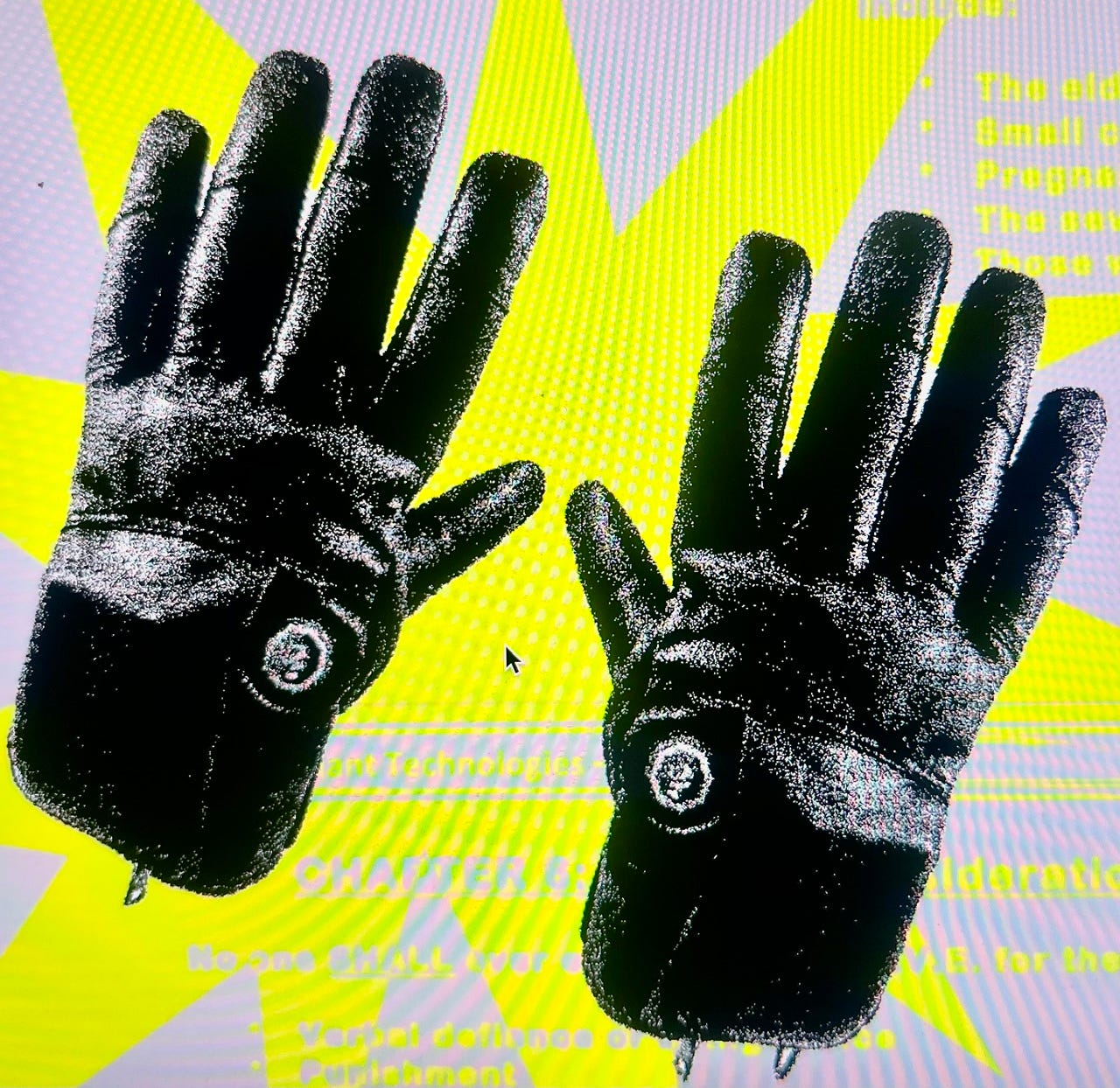
(ICE’s new “Electric Gloves”. The “Conductive Distraction and De-escalation devices” manufactured by Compliant Technologies can cause a person to drop to the ground in pain with one touch.Mother Jones illustration; GLOVE user manual/Compliant Technologies.)
The writer Ralph Ellison was 74 years ahead of his time.
In his National Book Award winning work “Invisible Man,” (Random House, NY, NY, 1952), Ellison detailed the joy white supremacists got from giving electric shocks to Black and Brown men.
That may explain why the white supremacists running the Trump Administration, the Department of Homeland Security and ICE (in their veins), are having multiple orgasms over their new “Electric Shock GLOVES,” meant to “harm people and avoid being sued,” as the investigative reporting magazine Mother Jones reports in its newest issue (“The Orwellian Company Behind ICE’s New Electric Shock Gloves,” by Sophie Hurwitz.
Mother Jones directly quotes the CEO of Compliant Technologies, Jeff Niklaus, from a 2022 YouTube promotional video:
“We have a saying, ‘Feeling is Believing.”
Hurwitz points out that “in promotional clips, you can see people losing control of their limbs, falling to the ground, and crying out in pain after a light touch from the GLOVE. In 2022, the company called it a “weapon” in Instagram posts.”
Mother Jones goes on to quote Assistant Chief Adam Glueck, of the Cape Girardeau Police Department in southeastern Missouri, which purchased electric shock gloves for the Girardeau PD officers.
“In today’s society, you know, everybody is filming everything; everyone has a cellphone,” Hurwitz quoted Glueck as saying. “If an officer punches someone on camera, that can go viral in an instant; even a standard taser leaves puncture wounds. But “the glove is low optic, and it looks better on camera, and it looks better to those witnesses. With a glove, there are no burn marks or scars.”
I read these chilling quotes when the news hit about ICE buying $10 million of these portable electric chairs for its abusive agents to use on humans and my mind immediately recalled the opening chapter of Ellison’s “Invisible Man,” where the legendary Black writer described an electric shock torture devised by the White elites of a southern town to use on young Black athletes.
Ellison’s eloquent, and electrifying, account was told through the eyes of a young, bright Black character who earned a college scholarship and was informed that in order to pick up the scholarship he had to perform certain “puglistic entertainment,” along with nine other well-built Black men, for the enjoyment of the rich, white, powerful and inebriated audience:
“ All of the town’s big shots were there in their tuxedos, wolfing down buffet foods, drinking beer and whiskey and smoking black cigars. It was a large room with a high ceiling. Chairs were arranged in neat rows around three sides of a portable boxing ring. The fourth side was clear, revealing a gleaming space of polished floor.”
“We were a small tight group, clustered together, our bare upper bodies touching and shining with anticipatory sweat, while up front the big shots were becoming increasingly excited… Suddenly, I heard the School Superintendent, who told me to come, yell, ‘Bring up the Shines,gentlemen! ‘Bring up the little Shines!”
“We were ordered to get into the ring…All 10 of us climbed under the ropes and allowed ourselves to be blindfolded, with broad bands of white cloth…I felt a sudden fit of blind terror …I stood against the ropes trembling… it seemed as if all nine of the boys had turned upon me at once…
“Everybody fought everybody else…I heard one boy scream in pain as he smashed his hand against a ring post…The (White) men kept yelling: ‘Slug him, black boy! Knock his guts out! Uppercut him! Kill him! Kill that big boy!’
But, as Ellison wrote, the even more dehumanizing and shocking part of the night’s entertainment for the White supremacists— bankers, lawyers, judges, doctors, fire chiefs, teachers, merchants and pastors — all dressed in tuxedos, was yet to come.
The screaming, rich, racist White men “rolled away the portable boxing ring, and set up a small square rug in the vacant space surrounded by chairs. An emcee gave the signal for the young, Black men to “come and get your money,” a collection of gold, coins and a few crumpled bills tossed in the middle of the rug.
“As told, we got around the square rug on our knees. ‘Ready, Go!’ the emcee said. I lunged for a yellow coin lying on a blue design of the carpet, touching it …A hot, violent force tore through my body, shaking me like a wet rat. The rug was electrified…my muscles jumped, my nerves jangled, writhed…
“Suddenly, I saw a boy lifted in the air, glistening with sweat like a circus seal, and dropped, his wet back landing flush upon the charged rug, heard him yell, and saw him literally dance upon his back, his elbows beating a frenzied tattoo upon the floor, his muscles twitching like the flesh of a horse stung by too many flies… his face was gray and no one stopped him when he ran from the floor, amid booming laughter,” of the White Supremacists who took great pleasure in administering pain to these Black boys.
The horrific scene from Ellison’s Invisible Man could be right out a training video for the perversely named company, “Compliant Technology.”
As Mother Jones reports:
Human rights organizations like Amnesty International have long raised concerns about electric shock devices like the GLOVE, as well as other products that Compliant Technologies sells, like electric shock belts and vests, which the company recommends for prisoner transport, courtroom use, and use on “combative individuals” during medical procedures like blood draws.”
Hurwitz goes on to write that “The technology is unregulated “despite the clear human rights risks associated with its use,” Amnesty International researchers wrote in a 2025 report detailing instances in which electric-shock devices have been used for torture. The report ends with a recommendation that countries “cease use of, decommission and destroy any stockpiles of such prohibited electric shock weapons.” Yumna Rizvi, a senior policy analyst at the Center for Victims of Torture, called the gloves “inherently abusive equipment that facilitates torture.”
The Electric Gloves of Human Torture are scheduled to be delivered to ICE by the end of March, 2027, unless Congress, somehow, stops the delivery, of the inhumane device.
But, Niklaus, the “Compliant” Technologies CEO—who believes Trump was annointed by God—is a former Blackhawk Helicopter pilot and a conspiracy theorist.
Mother Jones reports that: “ There is already a pending wrongful death lawsuit, against Compliant Technologies, that alleges that a 43-year-old man named Jonathan Mansfield died because corrections officers shocked him 27 times with the gloves and 13 times with a Taser. Two of the glove shocks lasted 45 and 99 seconds. The manufacturer’s recommended limit is 15 seconds.
Based upon ICE’s track record of killing and brutalizing detainees in it’s custody, or on the Streets of American Cities, what are the odds that at least one untrained, rogue ICE agent will use the Electric Chair Gloves on a Black or Brown victim for much more than 15 seconds?
Or, maybe, as Ralph Ellison foreshadowed this form of torture decades ago, ICE, and private for-profit companies like “Compliant Technologies,” will just build more monstrous metal holding cages and electrify the floors, electrocuting each adult or child considered not “compliant enough.”
It was the perfect, fitting ending for Trump. In order to hide from imaginary threats against him, he hid in a tiny kitchen galley, and His Corpulence got stuck, unable to eat or poop. RIP Gloop.
This week is the anniversary of the United States dropping TWO ATOMIC BOMBS on non-combatant Japanese civilians in Hiroshima and Nagasaki. No other nation in world history has done so.
(Simon & Garfunkel’s “The Sun Is Burning,” song protesting Nuclear Weapons, and the use of the first two Atomic Bombs by the US upon hundreds of thousands of Japanese civilians. Copyright by Simon & Garfunkel, 1964)
Don’t let Donald Trump’s, Pete Hegseth’s and Bibi Netanyahu’s endless bombardment of lies about Iran, Muslim nations, and other so-called “Terrorist States” vaporize US history into thin air the way hundreds of thousands of innocent Japanese citizens were slaughtered by our own country at Hiroshima and Nagasaki, 81 years ago this week.
And, don’t get distracted by the culture of American corporate glee that celebrates August 6, as “National Root Beer Float Day.” Really.
For those of us who still have memory, and don’t believe in whitewashing our history, we have to keep reminding our children and grandchildren that, yes, our country really did commit two back-to-back massive War Crimes against civilian populations, killing, burning and radiating more than 200,000 humans beings. And that contrary to the prevailing corporate and political narrative, committing such War Crimes was not necessary to win World War II.
Hitler was already dead for 3 months, when the first bomb was dropped, the Nazis had surrendered, and Victory in Europe was already celebrated by the Allied Forces on May 8, 1945. The original legitimate justification for the US Manhattan Project—to beat the Nazis to developing an Atomic Bomb so they couldn’t use it against the world—no longer existed. Hitler was now dead. And, the Japanese—with nowhere near the scientific sophistication of the Germans or the US,—were about to surrender.
But, don’t take my word for it. Instead, listen to the warnings of General Dwight D. Eisenhower, then the Supreme Commander of the Allied Expeditionary Force in Europe, who had just defeated the Nazis and liberated thousands of Jews from Nazi concentration camps.
Before the decision to use the bombs in World War II was made, in the summer of 1945, Eisenhower—just off the battlefield—expressed his strong reservations to President Harry Truman’s Secretary of War Henry L. Stimson, who was leading the charge to use the weapons because we had them. General Eisenhower, the most revered military leader in the United States at the time, made his position clear to Stimson:
“ I told him I was against it (using the bomb) on two counts. First, the Japanese were ready to surrender and it wasn’t necessary to hit them with that awful thing. Second, I hated to see our country be the first to use such a weapon…”
However, what happened after the end of War World II in Europe and the dropping of the first Atomic bomb on Hiroshima just a few months later, was a carefully calculated plan of American diplomatic intimidation, aimed more at impressing Soviet leader Josef Stalin who, with Truman and Winston Churchill, were negotiating over the future of Post-War Europe at the Potsdam Conference in a Soviet-occupied part of Germany, according to historian Gar Alperovitz, in his masterful book of that period, Atomic Diplomacy: Hiroshima & Potsdam—the Use of the Atomic Bomb and the American Confrontation with Soviet Power (Vintage Books, 1965, New York, N.Y.)
A growing chorus of battle-hardened military leaders like Eisenhower, strongly opposed sacrificing the lives of hundreds of thousands of Japanese civilians as human pawns in an international power struggle between the US and Russia. Admiral William D. Leahy, the most senior Naval Officer on duty during WW II, called the Atomic Bomb “barbarous,” and of “no material assistance in our war against Japan. The Japanese were already defeated and ready to surrender.”
Perhaps the most damning assessment of the Truman/Stimson decision to drop the unnecessary and apocalyptic weapons of mass destruction upon the people of Hiroshima on August 6, and on Nagasaki three days later, came from the United States Strategic Bombing Survey:
“ Certainly prior to 31 December 1945 and in all probability prior to 1 November 1945, Japan would have surrendered even if the atomic bombs had not been dropped, even if Russia had not entered the War, and even if no invasion had been planned.”
And, even the Supreme Allied Commander of the Allied Forces in the Pacific, General Douglas MacArthur stated numerous times before his death, that he believed the Atomic Bomb was completely unnecessary from a military point of view. In fact, as Oppenheimer himself later said, the original reason for developing the Bomb to beat the Nazis, morphed into something else:
“I don’t think there was a time where we worked harder at the speed up (of the development of the bomb) than in the period after the German surrender.”
Then, why did we then become the first and only nation in world history to drop, not one, but two nuclear weapons on civilian populations, despite the fears of some scientists, that even a test of the Bomb might set fire to the atmosphere and consume the globe in flames? Why did we do it, if the Atomic Bombs were no longer necessary to defeat the Germans or the Japanese and end World War II?
Some answers, like the outcomes of many criminal trials, reveal themselves in details, dates and bold face:
· FDR died of a heart attack on April 12, 1945, at the beginning of his fourth term of office, elevating Harry Truman—inexperienced in foreign policy and who never previously met either Winston Churchill or Josef Stalin —to the Presidency;
· Hitler killed himself a few weeks later on April 30, 1945, effectively ending the War in Europe;
· One week later, on May 8, 1945, Germany surrendered and the Allied Forces declared Victory in Europe;
· On July 15, 1945, President Truman arrives on a Sunday afternoon for the crucial Potsdam Conference, scheduled to begin on July 17th.
· On July 16, 1945, the US Manhattan Project’s “Trinity Test” of the Atomic Bomb—the first Nuclear Test in world history—was carried out in Alamogordo, New Mexico, 210 miles south of Los Alamos.
· The following day, on July 17, 1945, the Potsdam Conference– to negotiate the terms for the end of World War II– began in a Soviet occupied part of Germany, just outside of Berlin. In attendance were Winston Churchill, President Truman, and Soviet Leader Josef Stalin. It was the first time Truman met either Churchill or Stalin.
· July 24, 1945, Truman tells Stalin at Potsdam that the United States had successfully detonated the world’s first Atomic bomb the previous week;
· July 25, 1945, the formal order to use the Atomic Bomb as a weapon of war against Japan was given by Secretary of War Stimson, with President Truman’s approval.
· The Potsdam Conference concluded on August 2, 1945. The Soviet Union had not yet declared war on Japan, an important consideration for the US, to preclude Russia’s designs for expansion in the Far East;
· August 6, 1945, the first American Atomic Bomb is dropped on Hiroshima killing 100,000 to 150,000 people;
· August 8, 1945, the Soviet Union declares war on Japan, at 11 pm that evening, the night before the second US Atomic Bomb is dropped on Nagasaki, and Russian forces invade mineral rich Manchuria, then under Japanese control;
· August 9, 1945, the second American Atomic Bomb—six times the size and strength of the bomb dropped on Hiroshima—is dropped on Nagasaki, killing 80,000-100,000 people.
· August 14, 1945, Japan surrenders, ending World War II.
The evidence of the world’s first Nuclear weapons being used as tools to intimidate Stalin and Russia—more than as weapons to defeat Japan—is followed to its logical conclusion by Alperovitz in Atomic Diplomacy: Hiroshima and Potsdam:
“It might explain why none of the highest civilian officials seriously questioned the use of the bomb as Eisenhower did; for having reversed the basic direction of diplomatic strategy because of the Atomic Bomb, it would have been very difficult for anyone subsequently to challenge an idea which had come to dominate all calculations of high policy…Were Hiroshima and Nagasaki bombed primarily to impress the world (specifically Stalin) with the need to accept America’s plan for a stable and lasting peace?”
Truman’s hand-picked Secretary of State James F. Byrnes of South Carolina, meeting with Manhattan Project scientists in May, 1945, told them that it was necessary for the Bomb to be “successful” because “our possessing and demonstrating the bomb would make Russia more manageable in Europe.”
Testifying before Congress some years later, J. Robert Oppenheimer, who headed the Manhattan Project and was adamently opposed to using the Atomic Bomb on civilian populations, admitted that the obsession with post-War stability was the “problem” of Russia:
“Much of the discussion revolved around the question raised by Secretary Stimson as to whether there was any hope at all of using this development (of the bomb) to get less barbarous relations with the Russians.”
A few hundred deaths of Americans in proximity to the New Mexico bomb-test site, and the incineration of a few hundred thousand Japanese children, women and men, were, by those cold calculations, simply the inhumane, collateral damage of war, in a world gone completely mad.
Think about that the next time you hear Trump, or Hegseth, or Netanyahu rant about not letting Iran develop a nuclear weapon because that ancient culture is not civilized enough to control its use. Defining which nations are “terrorist states,” depends upon who is crafting and using the definition, as well as the weaponsof mass destruction, which are the very essence of abject terror against humanity.